Aging and Sexual Vitality
Aging and Sexual Vitality
Aging reshapes every aspect of intimacy from hormones and energy to confidence, curiosity, and identity. These changes are not purely physical; they unfold in the mind, the nervous system, and within relationships. With time, the body’s responsiveness evolves, but so too can the meaning of desire.
For many people, midlife and later life bring a quiet reckoning with how they see themselves: attraction shifts, energy fluctuates, and the familiar markers of youth give way to a new sensual language. Skin texture, arousal patterns, and recovery time all change. Yet when approached with understanding, this stage can become a period of erotic renewal, one grounded in authenticity, wisdom, and connection rather than pressure or performance.
For couples, these transitions often challenge existing roles and expectations. Differences in libido, energy, or body image can create distance or misunderstanding. What was once spontaneous may now require intentionality, not as a loss, but as a new rhythm. Therapy provides a space to integrate these realities with care and curiosity, turning physical change into an opportunity for emotional deepening.
A Neuroscience and Sex Therapy Perspective
From a neuromodulatory perspective, aging changes how the brain and body communicate about pleasure. Hormonal shifts, medication, sleep, and stress can all alter the pathways that govern arousal and desire. Over time, dopamine sensitivity and blood-flow responsiveness may decrease, while anxiety or self-monitoring increase.
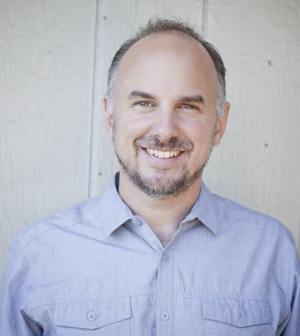
Tim Norton helps clients work with these changes through an integrated, neuroscience-based approach. His work combines somatic awareness, relational reflection, and when appropriate, collaboration with medical specialists or hormone practitioners.
Therapy may include:
• Understanding how hormonal and vascular changes affect arousal and recovery
• Addressing body image, identity, and self-esteem as the body evolves
• Reframing “slower arousal” as deepened presence rather than decline
• Exploring new forms of pleasure, touch, and emotional intimacy
• Supporting couples in navigating asymmetry in libido or confidence
The goal is not to reverse time but to expand erotic capacity within the present body, restoring safety, play, and curiosity.
Restoring Vitality and Connection
As clients learn to move from comparison to curiosity, the body often begins to reawaken. Confidence is rebuilt not through performance, but through presence. Many discover that sexual vitality in later life is less about intensity and more about resonance, the ability to feel, connect, and express pleasure with ease.
Tim’s work invites individuals and couples to see aging not as an endpoint, but as a gateway to more conscious intimacy. When judgment softens and attunement deepens, desire returns in subtler, more enduring forms, woven through affection, imagination, and trust.
Aging, then, becomes not a diminishment of erotic life, but its refinement.