Reawakening Erotic Aliveness
Reawakening Erotic Aliveness
Erotic aliveness is not a constant state, it ebbs and flows with time, familiarity, stress, and life’s competing demands. Over years together, even deeply connected couples can lose touch with erotic energy. The demands of work, parenting, ageing parents, and daily logistics often replace curiosity with efficiency. Partners may stop seeing each other as vital, autonomous individuals not always out of disinterest, but out of habit.
The nervous system adapts to familiarity. What once activated novelty, excitement, and risk becomes regulated and predictable. While stability nurtures safety, it can also dampen desire. The body’s dopaminergic reward circuits habituate to routine, leading to what feels like emotional or erotic flatness. This is not a sign of failure; it’s a natural neurobiological outcome of long-term bonding.
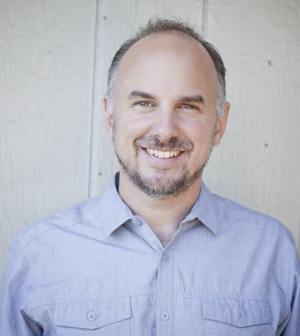
Tim Norton approaches this with compassion and scientific precision. Drawing from over 10,000 clinical hours, he helps clients understand that erotic vitality can be reawakened by introducing micro-doses of novelty, play, and autonomy within it. His work moves couples from managing life together to experiencing each other again: rediscovering what is alive, unexpected, and individuated in the familiar.
A Neuroscience and Sex Therapy Perspective
From a neuroscience perspective, desire is sustained by tension between safety and exploration, the dynamic interplay of oxytocin (bonding) and dopamine (novelty-seeking). Over time, many couples overinvest in one side of the equation: safety, reliability, co-parenting, or household management, while undernourishing mystery, imagination, and self-expression.
Tim’s process integrates this understanding into therapy, helping couples restore the balance between connection and curiosity. Through modalities like Emotionally Focused Therapy (EFT), Internal Family Systems (IFS), Cognitive Behavioural Therapy (CBT), and somatic neuroscience, he supports individuals and couples in rebuilding erotic presence as attunement.
Therapy may include:
• Attachment mapping, identifying how safety and predictability may have replaced curiosity and play.
• Somatic awareness, reconnecting to arousal cues through breath, movement, and sensation.
• Dopamine recalibration, introducing novelty in small, authentic ways to reignite the brain’s reward circuits.
• Communication renewal, learning to express desire, fantasy, and curiosity without pressure or expectation.
• Creative intimacy exercises, reimagining physical and emotional touch as exploration, not obligation.
• Energy redirection, cultivating aliveness through personal autonomy, friendship, and self-expression.
• Couple synchrony, rebuilding rhythms of connection through co-regulation, shared laughter, and restorative rituals.
• Lifestyle integration, supporting vitality through sleep, nutrition, light exposure, and physical movement.
Tim’s approach is never protocol-driven. Each process is tailored to the couple’s relational landscape, pacing, and nervous system readiness. The work proceeds at the pace of safety, slow enough for security, steady enough for renewal.
Restoring Vitality and Connection
When couples reawaken erotic aliveness, the change often begins subtly, in tone, gaze, humour, or the ability to be surprised again. Intimacy becomes less about obligation and more about curiosity. Trust expands into play; predictability gives way to imagination.
Tim’s concierge-style practice provides a discreet, neuroscience-based space for couples to rediscover this aliveness. He works collaboratively with medical, psychological, and lifestyle professionals where needed, ensuring that physiological, emotional, and relational dimensions are aligned.
This process is not about chasing perpetual excitement, but about cultivating living connection where desire, tenderness, and vitality coexist. Over time, partners rediscover each other not as caretakers or co-parents, but as dynamic, evolving beings capable of both safety and spark.