Asexuality
Understanding Asexuality
Asexuality is not the absence of sexuality, it’s the presence of selfhood that does not revolve around sexual desire. For some, it means never experiencing physical attraction. For others, attraction may exist but is secondary to emotional intimacy, aesthetic appreciation, or intellectual connection.
In a culture where eroticism is often equated with identity, asexual clients can experience confusion, isolation, or subtle shame. Many have been told that their experience is “missing” something, that desire must exist to be whole. Yet in reality, asexuality represents a different way of relating to closeness, creativity, and embodiment.
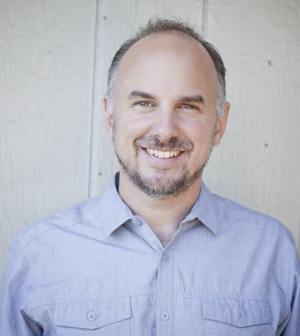
Tim Norton approaches this work with nuance and respect. His goal is not to “activate” sexuality but to help each person understand the full texture of their relational and emotional life, how intimacy, connection, and vitality can express themselves beyond traditional erotic frameworks.
A Neuroscience and Sex Therapy Perspective
From a neurobiological standpoint, desire arises through complex interactions between hormonal, emotional, and cognitive systems. For some individuals, these networks simply operate differently — not as dysfunction but as variation. Asexuality often coexists with rich emotional, intellectual, or sensual capacities that do not translate into sexual pursuit.
Tim’s approach is grounded in neuroscience, attachment theory, and psychodynamic understanding. He helps clients explore what connection and intimacy mean in their own terms — how to form relationships that respect autonomy and authenticity while still allowing for closeness, affection, and love.
Using an integrative mix of Cognitive Behavioural Therapy (CBT), Dialectical Behaviour Therapy (DBT), Internal Family Systems (IFS), Acceptance and Commitment Therapy (ACT), and somatic awareness, Tim tailors therapy to the client’s individual experience. This work moves gently, at the pace of safety, allowing curiosity and self-acceptance to replace self-doubt or pressure.
Therapy may include:
• Exploring personal and cultural narratives around desire and intimacy.
• Developing language to describe one’s own experience to partners or family.
• Redefining intimacy and pleasure beyond genital or sexual frameworks.
• Addressing moments of shame, confusion, or invalidation.
• Supporting partnered clients in navigating differing levels of desire.
• Cultivating confidence in living authentically, without comparison or apology.
Living Authentically, Beyond Comparison
For many clients, integrating an asexual identity brings relief, the freedom to stop striving for an experience that doesn’t fit, and to discover forms of connection that do. Therapy becomes a space to align self-perception with inner truth, reducing the cognitive dissonance between who one is and who the world expects one to be.
Tim’s practice offers a discreet, trauma-informed, and deeply personalised approach. His work is not protocol-driven; it is guided by the individual’s nervous system, lived experience, and values. Where medical or hormonal questions arise, Tim collaborates with trusted physicians to ensure clarity and holistic care.
In this space, identity is not fixed or judged — it is explored, understood, and respected. Clients learn that their version of intimacy, whether sexual or not, is valid and complete.