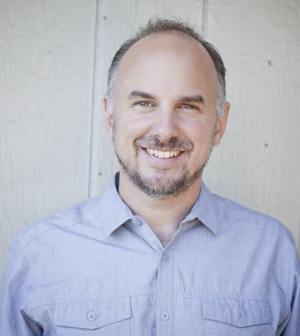
How to Improve Erections with a Sex Expert and Erotic Bodyworker |
About the Episode
Erectile difficulties are not just about blood flow. In this conversation, sex therapist Tim Norton speaks with somatic sexologist and erotic bodyworker Dr Joseph Kramer about how erotic embodiment, conscious masturbation, and healthy porn use can improve erections and deepen pleasure. They discuss practical ways to work with breath, movement, and attention so that arousal feels more alive, less mechanical, and more connected to your whole body.
Key Themes
How to masturbate in ways that reconnect you with your body, penis, and breath
What somatic sex education and sexological bodywork actually are
How Sacred Intimacy and The Body Electric approach erotic touch and healing
Why state-dependent learning matters for erections and arousal
How porn can shape arousal patterns, and what “healthy porn watching” looks like
Why so many of us feel disembodied and how to come back into your body
New masturbation practices and erotic meditation ideas to explore on your own
How erotic bodywork can support men with erectile difficulties and performance anxiety
Listen to the Episode
Dr Joseph Kramer, PhD
Dr Joseph Kramer, PhD (Emeritus) is a pioneering somatic sexologist, erotic educator, and filmmaker who has taught erotic embodiment and pleasure activism for more than forty years. He founded The Body Electric School in 1984, where he created influential courses such as Celebrating the Body Erotic and The Dear Love of Comrades. Joseph went on to establish two erotic somatic professions, Sexological Bodywork and Sacred Intimacy, and developed trainings worldwide. His work has helped thousands of people use touch, breath, and movement to heal sexual wounds and reclaim pleasure.
Websites
Erotic Massage: EroticMassage.com
Porn Yoga: PornYoga.com
Sexological Bodywork: SexologicalBodywork.com
Episode Transcript
[00:00:00] Tim Norton: Hello, and welcome to hard conversations. We're really excited for my next guest. Joseph Kramer PhD is an American somatic sexologist, erotic educator and filmmaker. He has been teaching about erotic embodiment, somatic sex, education, and pleasure activism for over 40 years. In 1984, he founded the body electric school where he choreographed many of the schools courses such as celebrating the body erotic and the dear love of comrades over the course of his career.
Joseph has also invited individuals committed to erotic liberation into communities of service. He is the founder of two erotic somatic professions. Sexological bodywork and sacred intimacy. And he's developed worldwide trainings for these professions. He is a true pioneer in the field of erotic touch and hailing.
Welcome to hard conversations, Joseph.
Joseph Kramer: Hello. Thank you. Glad to be here.
[00:01:00] Tim Norton: Likewise. So as I had mentioned in your bio that I had read just before this, you've been training professional massage therapists, erotic Bodyworkers and somatic educators since 1984.
Joseph Kramer: Yes. Yes. I didn't start out with that in mind. I, uh, I ran a massage school.
And I was very happy teaching the stodge totally separate from sex and erotic massage. So a California certified massage therapist and in Oakland, right across from San Francisco and AIDS yet in the early eighties, there was huge amounts of fear and there was, um, Especially in the area of sex. And one thing that I knew right away was touch was not a way this was communicated, unlike the epidemic we're now dealing with right now in the world.
And [00:02:00] so I saw, I thought, I know massage. I think I should start teaching erotic massage as a safe sex type. Behavior for men and bisexual men, especially in gay men. And I started that and it ballooned, it became a huge thing in the middle of this, uh, constriction. Uh, erotic constriction of AIDS. And I was invited to teach classes in erotic massage around the United States and around the world.
And, um, very soon I'd saw that something more than safe sex was happening that are robotic massage was a place where men were learning about their bodies and their router system in a different way, being on a table and being quiet. And then being aroused where they didn't have to do anything, someone else was kind of [00:03:00] offering this arousal.
And I, the word I didn't have at the time, but since have, is they're learning erotic self regulation, learning how to be with arrows in their body and to play with it. So that was, that came out of a massage in the early eighties, chess. And then I wanted to train other people to do this. I didn't want to be the only one doing it.
So my school started upper body electric was the name of the school and body electric, uh, doing these trainings around the world. I saw we did it people to be of service in offering classes like I was. And so I try to find a profession. And I named it sacred intimacy. I saw, I pulled out the name sacred, intimate, and I even saw on your list, Tim, you you've interviewed a sacred, intimate, um, and what's sacred intimates [00:04:00] for me where we're somebody who was there for someone's highest good that included touch and arousal, something psychotherapist and other folks.
Can't. Uh, and so I trained sacred intimates and sacred intimates turned into, but there's still illegal. Touching. Genitals was still illegal in the United States, no matter how high the intention was. And so I really worked on this in 2003. I got the state department of. Of a host post-secondary education too.
Okay. A training called sexological bodywork. That was that involved touching genitals as an education that people were learning. Again, erotic self-regulation they're learning about their body. So in California, this became legal, or it became legal for people who are trained by a [00:05:00] school that they approved.
Right.
Tim Norton: And that, that sounds, I feel like we could spend an hour talking about that lobbying effort. Sounds amazing. Yeah. Even, especially back then. And we're, you know, we're in a slightly more sex positive times these days, but I can't even imagine trying to get something like that approved.
Joseph Kramer: The head of the school in San Francisco, the graduate school said this will never be approved.
What kinds of people? And I sat with another writer and we wrote this, not for the public, not for, we wrote it for a bureaucrat sitting in an office who approves your not approves. And we wrote this up at word for word. And, you know, I'll, I'll tell you one of the thing that I think tipped it. This is the end I wrote, because this was 2003.
I said, 20 million people worldwide have died of HIV. 30 [00:06:00] million people, according to a world health organization are now infected with this disease. This is mostly sexually transmitted. We need new ways to educate people. We need to try everything to stop this. This is w this is part of the intention of this profession, and I hope if nothing else got through that, yes, let's do this.
Tim Norton: Hmm. Okay, well, good for you. Um, that's, that's really awesome work that you've you've started doing and that you've been doing now for a very long time. So let's, let's touch on that a little. Um, again, we could spend a whole hour saying, you know, what does a sexological body worker do? Um, but I do want to get into the content of being, working with erections.
Um, But I think the average person doesn't know what a sexological bodywork. Right. And is that how you would refer to the, the crux of what you do or is it,
Joseph Kramer: um, [00:07:00] so I'm not sure if it's, I don't know how limiting, um, how it riff, how I refer to myself or. I would say I'm a sex educator through the body that I worked through the body of somatic sex educator.
And by that, I mean that my intention is that the body, uh, learn and function at its highest possibility. Um, and the, you know, recently, not very long ago, maybe 10 years ago, I first heard of state dependent learning and this idea that when you learn something, the state that your body's in is the optimum state for that learning.
And it's, it was on college campuses, kids joked about this. Cause they thought I was, when I studied for the test, I was stoned. [00:08:00] So I had to get, I had to get stoned for the actual test. Right. But I think it's operative here and that is if sex education, sex addicts. At the core is about erections and certainly many other things, but our erection is central.
So the learning has to be in the state of erection. So I think, so I find this is the, the real importance of erections is just, it's a learning state. And how do people get to this learning state? Well, probably the major place is not sex with a partner. Now the major place is watching porn for a minute.
This is the major behavior where men are in where men have erections for. Considerable amounts of time. Ah, what an ideal situation to learn something about or [00:09:00] reactions this is and to play with it, use that state. So that's, um, that's kind of how I got involved with this and I teach this in sexological bodywork.
There's 200 seconds. 2006, logical Bodyworkers worldwide have been educated and there's six schools. Um, and not everyone does the work that I do. There's women who work only with women. There's a trans there's all kinds of different folks who have specialties, just like psychotherapy. Um, but, uh, and some of them look at, uh, porn.
Yeah, in a very negative, scary way and stay away from it. People who have taught, they just don't want to even deal with it. If people come in and talk to them about porn, they stay away from it. Uh, but I think for the most part, they have an approach where there's something that can be learned here. [00:10:00] Let's see what let's, let's explore this with their classes or individuals.
So, uh, I dunno if. So that's how I would define. That's the work I do is to go where the arousal is. And that's what I like. I'm glad to be interviewed by. Yeah, no.
Tim Norton: Great, great. And, um, that's what you're definitely doing these days and, and I, it sounds like that's evolved over time. Um, Uh, of course as a, as every career does.
Um, but just in general, before we get into, uh, you know, obviously we're going to talk about porn and erections and all of that, but in a typical sexological bodywork session, what happens? Um, everybody, I think that the first question is, are you having sex with your, with your patients?
Joseph Kramer: Um, so sexological body workers.
Again, this is. And approved profession. And one of the people who helped me craft this and get it [00:11:00] through was Jack. And I don't know if you've ever met him, knew him,
Tim Norton: never met him, but he was,
Joseph Kramer: he was, he was my supervisor also in my doctoral studies. Um, but anyway, what sexological body workers. Do is, it's the idea that the body is an important place and, and that there is actually an epidemic of disembodiment in the world.
And what I mean by that is our attention is pulled everywhere, but right here on our own body. So we have in fact, People talk openly about being an attention merchant. They pay money to grab your attention. Not only that we give it away freely on the internet to television, to a million sources. And so we're forgetting our own body.
Um, for me, this [00:12:00] is an entirely horrible situation. Our body is the place where our health is our bodies, where pleasure. When we feel pleasure. If our attention is somewhere else, we're feeling less pleasure. We make decisions on information in our body health decisions. Our body tells us what's good. First of all, it doesn't.
So if our attention is elsewhere missing out on all this, so sexological bodywork. Is a profession. Number one, to help people to bring awareness to their body. I'd say that's the foundation. And secondly, when there's some of that bringing awareness is through practices and there's myriad practices, but we are a profession based on practice, meaning.
Um, depending upon what somebody's the situation, it might be. Let's do some breathing together and pay attention to your breathing, or it might be movement, or it might be, um, uh, running it might who knows what the practice is. There's 10,000 depends, but it's decided [00:13:00] with the client what's, what's, what's going to be the best benefit for you to be in your body and feel your body.
And. Um, and often when people do a practice, there's an opening, something happens. And I like this, I like this. Um, some people call it an epiphany, but regularly when people practice things happen and as you know, then things close have to the practice it closes down. So the idea is how can we keep this.
Opening this new thing going. So it's continuing practice and coaching and working with the sucks logical bodyworker so far nothing I said need even involve touch. People can work, uh, through, uh, through the internet with this. And, but people practice in order. Too, unlike Buddhism or other spiritual practices, [00:14:00] as they say, the, the reason for practices, the practice it's theirs.
You're not doing it for health or for, well, we are doing it for that opening for learning, for growth, for whatever we're we're sex educators. We want to help people to feel their body more. And so. We and we shift the practice and add more practices and help people with resistance to practices. Um, And the practices can be in a variety of areas.
If they're with a partner, we can have a partner come in and we do exercises with partners. I personally like a type of work where people videotape themselves solo sex. I don't work much with, I don't work much with couples. I have to say, but people videotape themselves doing masturbating. And sent it to me.
They put it into my Dropbox. I can look at it. And that right before when we have a coaching session, I've just seen how much they move, [00:15:00] how much they're enjoying it, how much they're breathing, where their intention attention is. And we can talk about this and they say, okay, I'm going to try this and go off.
And they could send me another session or two sessions. So that's the type of work. One way of sexological bodywork works and not what I used to do though. And what a lot of sexological body workers do is to use erotic and such. So someone comes in and they really don't have a sense of their arousal.
They don't, um, They have a sense of looking for someone to turn them on or some situation that turns them on, but here's a situation that people don't normally fantasize where they're on a massage table. Someone who's a professional does give them a massage because getting rid of stress is key in all forms of sex.
I find. We have sex in stress, out of [00:16:00] stress. This is horrible. So in these situations, maybe there might be a 45 minutes of relaxing massage, and then there's a touching of the generals to arouse and guiding that person. And that person guides the touch, but that arousal, the goal of the arousal is a prolonged arousal, a sustained arousal, and we call it active receiving where the person receives this arousal and they're encouraged to play with their breath a little bit, and we might guide them in breathing.
They're encouraged to shape their laying on a massage table and they're aroused. And by the way, we're talking about men here, but it can be male and female. It is males, men, and women. Um, we, we encourage them to move to shake. There are certain movements, especially the work, the spine or the pelvic floor, um, that bring.
The fielding South to the extremities, to the toes and fingers. [00:17:00] So I call it a erotic massage dancing because the person's on the table and they're aroused, but they're playing with that arousal. And the idea is that we get them to a place where they're dancing that arousal they're on the table, lying there, but they're actually comfortable not going towards chasing.
Orgasm ejaculation. And then they're comfortable just bead and playing with that arousal. So that's erotic massage dancing. And that evolved from the early AIDS days and 84. And then right away, right from the beginning, I had people breathing patterns that were not their normal breath because when they're breathing a pattern.
With me or on themselves, they have to be present. As soon as they stop breathing, I can see the moments they go away and that's a big deal in sex. People go away wherever and to a million different places. So [00:18:00] breathing is very important in this. It energizes the body, of course. And it makes you feel better, but it keeps people present, you know?
So, uh, so anyway, that's what sexological body workers who touch, may touch in that circumstance, but this is a learning environment. And if I can bring up one more, one more big thing. That's sick. Um, and this, this is, we use Jack ma in our trainings for sexological body workers. We use the erotic mind check mine's book and his book starts out.
With this idea. He said, people come to me and like you, he was a psychotherapist who focused on sex. He was a sexologist psychotherapist, but he said, people come in and list their sexual problems and I'm empathetic. But then I asked, tell me about. Tell me about some great times when you've had sex [00:19:00] and, uh, people aren't as comfortably.
So doing this, but the point is, if you can analyze the best time somebody had sex, what are those elements that we could do practices to get to that very seldom. Do we, when we're working with problems, do we ever get up to that those high points of best sex? It's a long erupt. And so I like that. So sexological body workers, aren't fixing people's problems.
And in fact, a big part of our training is how to refer people to, to psychotherapists to others. Um, Who have a variety of problems and that's not what we're about. We're educators who say, let's try this. How does this work? What about this practice? Let's feel this. Um, so it's working with the body
Tim Norton: wonderful, wonderful profession, wonderful things [00:20:00] that sexual logical Bodyworkers do.
And as you speak, um, Like you, you, you made a point a minute ago about how people go away. People lose their attention during sex. And I think about the differences between our professions, you know, the differences between, uh, a typical therapist who is either trained in one school of thought to. Learn about a client's childhood and their parents and their upbringing, their family of origin and their attachment.
And then another school of thought that's going to really have you focus on your thoughts and your feelings and your behaviors and those kinds of things. And, and I can sit there and I can talk to them about the negative thoughts that they have about their interactions. And you know, where they learned that in that early traumatic experience you had, when I heard on an interview learning early on from their religion, that masturbation is bad or wherever it came from.
[00:21:00] And. And we can resolve that and teach them. Okay, well, here's a sex positive way of looking at that and you can do the Jack Morin exercise and you can learn about your sexuality, but then I'm not going to see them masturbate. I'm not going to see them in the bedroom. I'm going to tell them about mindfulness.
I'm gonna teach them about mindfulness, but there's going to be that limit where. They, they, they could be in the room with their partner and be completely distracted, be completely out of their mind out of their body. And, and then I have to trust that they're going to report that back to me accurately.
And so I idealize. Uh, Bodyworkers and people who are sematically oriented and then sex workers and surrogates and sexological body workers is having that advantage of being able to see a person in their sexual state and really be able to, to guide them in staying in their body. [00:22:00] So that's what you do, right?
Joseph Kramer: Yes. And in fact, in the past psychotherapist, in that environment where they can't really touch. Have used the quasi legal surrogacy and, and ideally that was a three-way environment where the surrogate would report back and you'd work with surrogate and. Then you would talk to the client. And I think a lot of, not a lot, but there are psychotherapists today.
And Jack Morton was certainly one of them who made use of sexological body workers in this way, because he could use the information that he got from the sessions and it wasn't sex with clients like surrogacy, our six logical wider workers wear clothes. We don't have sex with our clients. We just offer them experiences to help them learn.
Um, but anyway, I think so my, my hope is [00:23:00] that. Um, there's a corrective going on in psychotherapy right now. And it's a major correct of like the dial is moving more towards the somatic and mindfulness, et cetera. And I remember when people said I'm a somatic psychologist, that was a far out thing, but more and more people, they don't say that they just use those.
And I would hope in the future, that's that a lot of the things that are being tried out in sexological bodywork that don't involve touch. Can be used by psychotherapists because there's millions of psychotherapists and there's a lot of need.
Tim Norton: Yeah, definitely. And, and just to clarify for the listener out there, there, there was.
A time when therapy first came out where it was kind of the wild West and there were therapists who had sex with their clients and, and it was a big shit show. And we had to establish boundaries around things like touch and consent and, and relationships. [00:24:00] And that was for good reason because there were people who were taking advantage of that.
Um, so w we're we're still trying to navigate that through the taboo of sex and through ethics and consent and things and, and, you know, People who sit in a therapy office or in a position of power. So they have to take that very seriously. And so I'm not advocating a bunch of therapists to go and have sex with their clients and touch them, but we have to find a way to.
Bring a consciousness of the body into the room because it's, it's really important. Um, so, so let's, let's get into it. So my, the typical client that that comes into my office is a man in his thirties or forties, a penis having person in his thirties or forties, where. They've, you know, might've had some issues with erections at one point and then they were fine.
At another point when they masturbate in the morning, they're perfectly fine. If they're alone, they're massing masturbating to porn or their erections are [00:25:00] fine. Um, but then a recent partner. That they're just really struggling with. And then maybe they tried Viagra for a little while and it worked at first and then it stopped on that really scares them.
And they're coming in panicked. Don't want to lose this relationship. Um, what w and they say, w w what can I, what can I do fix me, fix my Dick. So how would you conceptualize that kind of a case and, and fix that Dick, what would you do?
Joseph Kramer: Well, as you know, there's 25 different directions to go there. But, um, I start with the premise.
I start with the premise that most people being members of the world as Western world, as it is, are somewhat disembodied. That their attention is pulled away from their [00:26:00] body. And even if in the morning when they masturbate and they're watching porn, they can get hard. I want to know about that. How, how what's that getting hardest?
And it often is just as into somebody as anything else it's a for watching porn can be a forgetfulness of the body. Um, they totally, their body is not involved. Their attention is in the porn so I can get a card. Can
Tim Norton: you unpack that a little? Like what, what would a guy saying, well, what do you mean I'm disembodied?
What, what would that look like?
Joseph Kramer: Um, so a few examples are, so I have people videotape themselves. And so here's some things I learned from watching video that I never would have fought. Here's some, first of all, I have people masturbate or watch porn standing up that's the beginning. And that is [00:27:00] because when people are lying down or sitting, there's almost no movement in their body, there's nothing, uh, demanded of them.
And so their body can be full of tension. It can be, they don't have to pay attention when they stand up. They at least have to slightly move a little bit. And what happens, what I find over time, they learned to really move with what's happening in their body and in the port. So that's the first thing I would say is what, how, what position are you in when you're watching porn?
That's part of it. Um,
So when I've watched people stand, one of the first things I noticed is how many people, men, especially men and women masturbating lose their balance and fall over. They're watching porn and standing and [00:28:00] they, they, they fall against the wall or against something that shows how far away they are from their body.
This is so regular. Um, I'm, I'm it, it shocked me at first, but that's the degree of disembodiment that people can't stand without balance. And now when I watch porn, I see this especially kind of amateur porn, not real slick. So a guy starting to get a blow job. And he'll want to sit down or lie down or lean against something because when his attention goes to wherever it goes, he can't stand that it loses his balance.
We actually talk about not paying attention to our body. Um, so that's just an example, but the forgetting of one's own body. Means that there's almost nothing of that experience that that guy in the morning had his orgasm is arousal that can [00:29:00] carry over to his afternoon with this partner because he was, he didn't pick his body was forgotten.
And if his body's forgotten in the afternoon, nothing happens. That's, that's one thing. So that's why I worked with the, how one of the ways I work is with how they watch porn. And the pain attention to one somebody. So there's a whole series of things that I do. And I started tongue in cheek, calling this porn, yoga things for you to do while you're watching porn.
And this grew and people liked it. So I kind of call it porn, yoga now, but it's things that people can do. So that they're more embodied. And if they wish that behavior that embodied orgasm could carry over more to their relationship with their partner, their attention is more on their own body. And I can go through a whole series of those, [00:30:00] um, different behaviors.
Tim Norton: But yeah. Could you, could you give us a little flavor of the kinds of things?
Joseph Kramer: Sure, sure. Well, the first thing is standing and I say, Uh, stand with your knees, slightly bent. If you're bending your knees, it's this martial arts thing. It allows you to move and, and people naturally start to move with their arousal and what's going on in the screen.
And if they're having sex with a partner, even beginning play with a partner, this is a dance. This is some kind of. To gather and he's going to have to learn to move and play into that. So it's, so it's beginning to see arousal is a dance, it's a movement of the body. And I think that's the key. One of the key things is porn is about motionless sex for the most part, except the hand.
So it's not about movement and I fixed sex is about movement. So that's one [00:31:00] thing I'm working with and I have videos of them. And I'll say, uh, I noticed that repetitive of movement is good. So if people are swaying back and forth, just that one leg to the other, they're masturbating, watching the porn, but they're doing some movement.
This gets, I think it moves the blood. It moves to our bodies in a certain way. So that even if their attention is in the porns or getting something something's happening, then I have a suggestion. This is the, probably the biggest one is that at some point, I'm going to ask you, I ask that you turn away from the porn for five breaths and for those five breaths pay attention to what's going on in your body.
You've been masturbating. You've been, what kind of pleasure, what kind of feelings are going on? Just five breaths. And when I first started doing this, I [00:32:00] make I've made this up over the last 15 years. But when I first started doing this, I didn't realize, but a lot of feedback was I can't turn away from the porn for five breaths.
I might miss something. And luckily we have the civil bar here that we can hit and it stops the corn. So that solves that problem. And I was, it was a big problem for many people. So the turn away from five breaths, and this is a skill because they're in a. The visual part of the brain watching torn, and now they're going to feel their body in a Somat a more somatic sensing and five breaths.
Isn't a long time. So this is a skill that is learned of pulling in and paying attention to the body, which is something very important steps that you're aware of your body, a body scan, so to speak you're scanning through, but I'm not telling them start at your feet and do something I'm saying. You're masturbating.
What's the [00:33:00] result of that masturbating. Do you feel pleasure? What feels good? Um, and if I can skip ahead often what happens is not at the beginning, but as people get into this, they start with the five breaths and it's true. It's true, enjoyable paying attention to their body and masturbating to go back to the porn, to pull their attention into the story or whatever's happening on the screen is less fun than feeling their own body.
And this isn't my intention. My intention is to feel your body, but they go, what's going on in their bodies. More fun. Great. You've just learned something, but then they go back to the porn where it starts to the arousal might start to wane and you get a little more arousal. So it's some people I work with too.
I call it sipping wine. Uh, some people guzzle that guzzled their alcohol, but some people are watching the tour and like [00:34:00] a sip of wine. And then they're played with their arousal and they come back and get a little more arousal and then go off and play with their body in this way. And I think. This is more like a regular sex.
You focus in on different parts of the, of the encounter that arouses you, but then you're in other realms that aren't intense arousal, which you're still functioning. So I liked this Sydney wine approach to the guzzling approach, but this is quite often than people watching porn and it, in all of this, my, my statement to people is.
You never want to lose your watching porn for a reason that porn activates an arousal in you. So you don't want to block that. Uh, if you, if you need it to do porn yoga, I remember some man sent me his first tape and he had seen my website [00:35:00] to teach us and he did twenty-five behaviors in a row. And he barely looked at the porn.
So he was performing all of these activities, but he wasn't enjoying the porn if that's his choice. But I think I'm, I'm not making porn to be something bad. It's something that people are enjoying. It's how to continue to enjoy it, but how to enjoy your own body also. Um, let me go, let me skip to a big thing.
Orgasm ejaculation. I call it, uh, thank you. Uh, rock bass, but I call it D here, now orgasm. And so my recommendation, I say this is a big deal ejaculation and the time leading up to it. What if you tried not watching the porn for the evacuation, so you can be fully present to what's going on in your body to that attack elation.
I thought I would have a lot of pushback from some [00:36:00] people, not one person ever after they've done it as complaint. It's like, wow. This is, yeah, I feel it even more. I'm not a jacket sledding with her or him on the screen. I'm a jacket relating was me. I'm here right now. So that's another that's um, again, be here now.
Uh, I have. One other realm is I believe people walk around with stress in their bodies. Emma started out as some sore. I look at bodies and so they bring stress to sex, but when you're lying in bed, watching something or are sitting that stress can be there. But when you're standing the stress. A lot of people feel stress right away cause they have to balance themselves.
And um, so I recommend shaking and I recommend the beginning of session, watch your porn, [00:37:00] but get that stress out of your body shake and jump and move. So because the less stress, the more pleasure there's going to be, the more fun you're going to have. So those are just some I've. Um, I certainly teach a lot of different strokes for the, for the cock.
Is it okay if I use the word
Tim Norton: cock? I use it as often as you'd like cock,
Joseph Kramer: um, and, and, um, the end I men have this bad rap or this rap that right after they come, they. Rollover and go to sleep or roll over in her loss because in that the bliss is not something that I pay attention to. So there's savoring is a big deal in this.
And for me, that it's part of pleasure. The pleasure is excitement. It's the pleasure is also this bliss part. And can you save for all of that? So those are some of the, some of the [00:38:00] realms that I, that I address when people are, uh, You know when I'm coaching people and I coach men and women both.
Tim Norton: Yeah. Good.
Now, as you were talking about. Standing and, and the differences between masturbating and, and regular sex. And, and let me for the listener, um, Joseph is standing during this interview and, and he, he, he rocks back and forth a little bit. And you can tell he's got his knees bent in and he's very, he's, he's a very embodied speaker, if you will.
Um, and it's, it's too bad. You, you can't see it cause he, he walks the walk. But as you're talking about it, I I'm thinking about. The difference between yeah, just between masturbating and sex. And especially if you're masturbating to porn, I can imagine. People holding tension in a lot of different places while sitting in front of a computer, especially if they're there for a half an hour, I can just can [00:39:00] imagine wrists tensing up and shoulders in jaws and necks and backs and legs and, and all those things that just flew the motions of, of a physical sex wouldn't be happening nearly as much.
Is that kind of the, the breakthrough there is, is that what you see?
Joseph Kramer: Yeah. So what's interesting to me is Fitbit watches and Apple watches and other exercise watches have a function where every hour they beep and say, you should get up and move. If you've been sitting, this is speaking to that. And the phrase that really gets to muse sitting is the new smoking.
So it is, it is actually saying this isn't just sitting. This is really bad for you to continuously sit and what Fitbit, and, uh, says even a minute of standing and moving has beneficial. And I [00:40:00] think. A minute is hardly enough for if so. I, I, I try in my office with people, I work 10 minutes in an hour, we set the alarm and we might do some things for 10 minutes, but the idea is to get into more movement.
And I D and I, if I can go one step further here, I find as a, as a somatic, a body-based. Person who really likes masturbation and watches people masturbate what I've found. Is that when men and women masturbate, whether you're working on your clit or holding a vibrator are masturbating with your hand. It involves a tension that comes up to the upper chest and the shoulder and the, usually the whole shoulder, but sometimes the upper part of the body, especially as people go get to into more arousal, but even from the beginning, Just the [00:41:00] movement is not, there's always a tension in the upper chest.
This is the area of breath. And often there's a holding of breath that people have learned very early on habits that people learned when they were 12 learning to masturbate. Um, anyway, I find this really horrible for sex alone and sex with partners. And what I mean by that is. If, if someone's masturbated 3000 times before they're 20 or 5,000 times before they're 20 and they've masturbated with attention in their chest and holding these muscles, this is a habit that's curious with them that orgasm involves tension in the upper chest.
And I'm not very big on tantra, but. But, uh, up here is also the heart chakra, but for me, it's the lungs that the lungs are constricted in. This, the breathing is constricted. So I [00:42:00] consider masturbation normal masturbation where they're standing or sitting or whatever the way people do it, there's this tension in the upper part of the body.
And so I certainly noticing this, watching the videos of my clients. So then I said, can we do. I call it hands-free arousal. Can we get aroused? Can we masturbate without using our hands? So this tension doesn't happen. And certainly, um, the toy manufacturers I find Fleshlight is the ideal. A vehicle to anchor this, for example, on a table at the height of one's penis and you have your hands free and you can thrust.
And the thrusting here is not a fantasizing necessarily of you're thrusting into someone. This is your way of masturbating, that is using your hips and your thrusting muscles, but not your hands, not your upper part of your body. [00:43:00] I have videos. Many of the first time people have done this the first time they've ever done it.
It's like this physical liberation. A lot of people raise their hands almost in the air. It's like, Oh my God. And the, the normal constriction, the habitual muscle constructions that they've had. Aren't I aren't active. It's breaking a habit right there by doing this. Not only that, but the backup is I think most men thrust really poorly.
And so this thrusting exercise and I think people need to learn to thrust. And I would hope men would learn to thrust, not in somebody, but learn to thrust bef that, to do their practice in their fumbling in somebody. Work on it and then bring it to love making. But anyway, I find 'em. So I call by the way, I have the big category for this as orgasmic [00:44:00] yoga, all kinds of practices that involve orgasm are going toward orgasm.
But I think, um, I I'm, I've really looked into. Fleshlight and their online forums and all this, and really only a small percentage of people. I think use this. Um, thrusting and they've gotten better vehicles. They have holders for their flashlights now, uh, et cetera. And on my websites, I have all different ways to anchor for women.
It would be a vibrator, so large vibrator that they can push into as they wish and play with. But they're, you're getting you're masturbating. You here, you are a mess when you're stimulating yourself, but your hands are free. And this goes back to my original professionism sewer. I think this is the time when you're aroused to give yourself a massage.
You have, I have people start right in the belly and start in [00:45:00] the front of the body and their face in their head. And so people are masturbating and they're giving themselves a massage. How great is this? And there's. And they can, they can up the speed or down the speed based upon their hips.
Tim Norton: Wonderful.
As you're talking about that, I'm thinking about how typically when people masturbate, especially men, they're probably not thrusting at all. They're not doing one of the most basic aspects of intercourse.
Joseph Kramer: It's well, I don't think they're doing a lot. They're they're going up and down. And I, um, so I live near UC Berkeley, university of California at Berkeley, and it's quite a big campus and not recently, but 10 years ago, I was involved with educating peer counselors.
So students who would go out and do pure sex education [00:46:00] in the dorms and different places. And what I stories I heard over and over. Where of boys or students there who wanted their girlfriends to suck them while they watch porn or to check them off while they watch porn. And what this said to me is they've learned to behavior on their, the, the nerve endings on their penis.
Once something, this is the way they've learned to have sex. So they could, they could have other, they could do other things with her, but it's more effort. Can you just suck me while I watch porn? I go, wow. So this is, uh, that was, um, and I think, so I think that's where habits come in. Your, your porn watching habits can be limiting.
What I'm hoping is that people can use porn to let go of habits and create. Uh, behaviors that carry [00:47:00] over to their, to their play with their partners.
Tim Norton: Hmm. Definitely, you know, and while you're mentioning that, I, I do have an avid listener out there who is a bit of a public service announcement opportunity.
There I've put an article out on PornHub at Bay, been interviewed in their, their sex education series. Porn porn hub is. Bringing a lot of sex and ideas into the world and, and there's, there's good sides to PornHub, but sometimes they do a terrible job of not screening nonconsensual videos that end up on their sites and underage sex that's going on on their site.
And yeah. They've got to do a much better job of that. People, people are having videos put up there, but that they didn't want there in the first place. And so by us talking about the upside of porn, where no way could doning that they could do a better job and still function as an organization now. But to the extent that we're talking about, um, ethically consensual, [00:48:00] Porn and, um, and all that good stuff.
That's, that's what you're saying. And that, that's what you're seeing. And then people are watching just, just wanted to put that right there, um, for the
Joseph Kramer: listeners. So I hope this is true. What I have decided, I, I think early on, I realized that most people are embarrassed about what turns them on. They don't like to talk about the specifics of what turns them on.
So you could have a hundred men who identify as gay in the same room, and they're all turned on by different things and some so particular that they would rather not speak about it. But one of the things that I realized is I'm not into I'm interested. In helping people with the state of arousal. So what they're watching, I never know.
I, my videos, I want them to turn their screen away. Cause I do not want to know what they're watching. I don't want to know whether they're gay or straight or are anything that [00:49:00] they're watching a big come up in the coaching about their partner, but I don't ever ask them about the porn. They're watching you become accepted.
When I'm noticed they're having trouble with arousal. I say, you know, it looks like you're not finding arousing porn. And what happens with some people is free porn and searching for it. Isn't enough. And I suggest you, if you really have some realm that turns you on, and this is, this is fun for you. Why not try purchasing?
Of on a website and people do, and their arousal goes up because they're watching something. They like, it's like watching regular TV, you know, the regular stations or Netflix, or, you know, get, get to premium here. So I find it important that people watch things that turn them on. I, [00:50:00] um, as you know, Some psychotherapy could go into a couple of years about what people have of therapy, about why people are watching a certain thing.
And I'm, I certainly, um, it has never come up. Anything about bondage are unconsensual, not just bondage, unconsensual stuff, or ch child pornography, all this. And certainly that's I'm. I, uh, I hope they're not doing this, but I'm not policing what people are watching and I'm glad that I'm not, I'm here to help them with the arousal that comes from that.
Tim Norton: Okay. Um, so there's, there's a specific question of do guys come in to you saying they struggle with their erections?
Joseph Kramer: Um,
[00:51:00] So, this is interesting. I feel there's millions and millions. There's hundreds of millions of people, men, even in the West. I deal with, I teach and I'm in Europe, Australia, um, lots of North America. Um, When we say, come in a lot of times it's virtual. So if someone says I'm a sex addict, I really have a problem.
Let me let's start there, which is rather than just my erection. I say, you know, I'm not a therapist. And if someone's self identifying this problem, they really want to work on this problem. I go, I can. Give you some practices you can try. And I've only worked with two people who really wanted to go into this from a place of saying I'm a sex addict and, um,
they both [00:52:00] have, well, one, both of them wanted to work on that. That was their focal point. And that's that thing of sex addiction is, is. A thing in the culture and this thing about moving while you're masturbating, this isn't a thing. They didn't value this at all. They valued how I deal with my compulsiveness.
Um, and so what I often, how I advertise is I would like to work with people who love porn and want to enjoy it even more. So, uh, I just know a population that this really works for. So. People who say I'm no fat, I've been 88 days. I haven't had, I haven't touched myself for 88 days in my mind. I do think this, that, what if for 88 days you were practicing alternative eroticism, not just know about arousal, but practicing other ways.
You'd [00:53:00] be learning skills. Now you're really quiet in the neurological pathways. Of course, through this. Uh, uh, abstinence, but you still have to learn at some time, uh, new ways. So I, and I do think breaks you important for some people, but I'm not a therapist, as I say, and I'm not a, uh, I don't deal with problems.
Eye problems can be helped by. Be hit by these, by exercises that I do, but I don't have to deal with the same thing you do with someone coming in saying, I have trouble with erection, but where I, where I would go right away is, uh, are there any times you are fine with reduction is, and usually it's with porn and masturbation.
So it's a really enclosed place. I mean, a really a contained place. And the way I would approach it is to start with that. Arousal is start making that place bigger stand and be aroused [00:54:00] move would be aroused, a wreath and exercise all of this so that that arousal can carry over. And what all that is is bringing them into their body more.
There's a supposition that they're just not in their body in my way of approaching it. Um, but I don't have people since I don't advertise for, since I don't advertise that I fix people, I don't say erection problems and all this isn't listed is mine. It does. I do say I can help with habits, bad habits.
That's masturbation is almost 99% happened for most people. I know.
Tim Norton: Yeah. I bet you can offer some pretty keen insights, like one of the ways that this shows up and, and just this morning, I was listening to this interview that you gave on. Um, [00:55:00] uh, what was the show called? Uh, it was a podcast, um, the pleasure mechanics and.
And you, you, you know, if anybody out there wants to hear more of, of, uh, Joseph's, uh, origin story of, of his early sexual development and how that led to this work, it's, it's a, it's a fantastic interview. Um, but one of the things that you talked about was. Having those religious messages early on, uh, about impure touch and, and I, that was the way that it was put, you know, that there's a lot of sex negativity and in all the religions, you know, it was, we were talking about Catholicism, but I don't know of any major religion out there.
That's super sex positive and giving regular messages of, of, um, sexual openness. So when I'm working with clients who had that. Early on in their sexual development. They, [00:56:00] it's one thing to just say, okay, well, we're going to stop feeling guilty about your sexual thoughts. We're going to stop having sexual shame because that's, you know, and they can logically grasp that.
They, they can get, okay, it's wrong to think of sex as dirty or whatever, but it's, it's a whole different process to actually embody. That now absence of guilt or embody lust and joy and bliss and, and all the things that you want to embody when in a sexual place, rather than, you know, now we're naked. Now you feel shame.
Now you feel guilt. Now it's reminding you of, of some early Christian message. So you had to go through that process of undoing. Those negative sexual messages. Um, what do you think helps people the most along the way of, of shedding sex, negativity and early, um, sexual messages that are counter to, [00:57:00] to less than neurotic joy?
Joseph Kramer: Thank you for asking that question, by the way, the interview with sex mechanics, weight pleasure. Mechanics was quite extensive. I, and I liked it. Um, so as a kid, I was very strongly. I Irish Catholic and I grew up with, went to Catholic schools and I believed everything. And sex was a sin outside of marriage.
And masturbation was a mortal sin. Meaning that if you died after masturbating, before going to confession, you went to help. So I believe this. So after masturbating, I was in terror, sometimes here's a 15 year old or 14 year old in bed. At night thinking if I die, it's all I, I go to hell it was terror. And I I've, I have a quote I'd like to read from Kinsey because [00:58:00] I think that this upbringing has not been named.
And I think we're big on trauma today. I think this is actual trauma and traumatizing of the system that is. Yeah, it's so ubiquitous. We just call it normal. We call it sex negative, but, but even Kinsey and his day, and this is from his 1948 book. He said, millions of boys have lived in continual mental conflict over this for that matter.
Many of boys still does many boys pass through a period. Periodic succession of attempts to stop the habit. Inevitable failures in those attempts, consequent periods of remorse, the making of new resolutions and a new start on a whole cycle. It's difficult to imagine anything better, calculated to do permanent damage to the personnel.
[00:59:00] It's hard to, I think. So we're talking about hard cock. I think how society treats this with young people is, um,
We just call it , but it is horrible. It is traumatic and it has lifelong consequences in. And if I might say it keeps half of psychotherapists busy for the rest of their life with these people. So how do you deal with this? For me, it was like this closed system and I have to say. My own masturbation, which was a mortal sin cracked open that egg.
It was the crack in that egg. Finally, there was aye. Aye. Aye. Aye. It was the only way I got out of that system and it was the [01:00:00] pleasure and the understanding. Um, I think the values in a lot of religion are, are, um, Utility and connection and union. So for many people it's not masturbation, but it's whether they're gay or straight, um, behaviors that are not approved of by religion, but they know they're wonderful.
They love this person they're connected to this person. I think that is one area, but for me, it was the celebration of my body. And it didn't really resonate with my whole upbringing. And right now I don't go there a lot, but I have one person right now who's I'm working with with this. And there are Christian approaches, meaning focusing on this is a gift of God.
And it's a repeating of it over, this is, this is, uh, [01:01:00] this, this pleasure, this body, this is, this is God's creation. He grateful for its capacity. And yes, this is a different message, but it's at least parallel, but it's not quick. It's not a quick process. It's changing a whole belief system. Um, And I don't do therapy, but this comes up you're right.
This, and one of the things I liked about Kinsey reports in the middle of the 20th century is he said the single most negative factor. In sexual functioning and sexual pleasure, et cetera, is how religious someone else. And he said, uh, Hasidic Jews and very fundamentalist Christians in fundamentalist Catholics have the poorest sexual lives and relationships.
And that was across the board. What he, what he found. And that was 80 here of 70 years ago. [01:02:00] Um, And I think religion has softened a bit, but. Um, when I was in grad school, one of the other people studying for a PhD in human sexuality was a Mormon Bishop. Uh, and he was a liberated Mormon. He grew up in Hawaii and, and if you grew up in Hawaii, it's hard to have the same view of the body as if you grew up in Utah, you can imagine.
And so he was working on his PhD, but he works on, on masturbation and his. Studies at the university at, uh, of college aged kids in Utah was how many had thought of suicide as teenagers because they masturbated. And he said the difference between Catholicism Mormonism, should you go to confession in Catholicism and Mormonism?
You're impure, you're impure and, and [01:03:00] the same compulsion. And so there's a huge, it's still a problem, uh, suicides among young people because of heterosexuality and homosexuality and masturbation. And I go, people do not religion. Does it even change? When they see some of their best killing themselves over this religion is so it's what we value.
It's, it's closest to our core and to change those behaviors is often a communal environment is important. As you know, it's not just therapy one-on-one is hardly the best vehicle that, but I think relationships, but what I've come to is. I tell people who are anywhere in that struggle, that when they're in a high erotic state, if they're watching porn and they turn away from these five breasts, just to say, I'm [01:04:00] so thankful for this body, God, thank you that I can feel this.
Or when they orgasm, they say, thank you. This was amazing. Bless it. Be God, I'm not kidding. This is it's crucial. It's life giving. They have to say that because otherwise it's the devil, it's the negative what's happening. They have to say that. And that is awkward conditioning. That's a really good thing to say when you're orgasming blessed, be God I'm grateful for this.
So, um, but, but I F I. Recommend people. There's one in Berkeley spiritual guide that I sent people to there's I, this isn't my realm, but if somebody is really into that, I check more Warren used to be pretty good with this, but, um, anyway, I usually refer people it's not, but it's always there. [01:05:00] It's with everybody.
And it's still with me. It's still with me. I've I'm 73 years old and I still ha it's there's these imprints that are within me and, uh, this habits, habitual ways of thinking that come up. Um, not, not a lot. Cause you could tell it's great. I'm very grateful. It's an arrows.
Tim Norton: Okay. But you mentioned too. Uh, yeah, very, um, Psychologically proven techniques, but just that idea, I really liked how you mentioned community, how maybe it'd be a good idea to be around sex positive Christians or whoever is going to be able to communicate to you.
Yes, yes. The body is good for joy. So just how therapeutic that can be. That's like a, you know, a group, a community and, uh, at the micro level, that's more of a Metso macro level, but at the micro level, Uh, when you, [01:06:00] when you orgasm adopting a new narrative adopting, uh, something positive, something that you say instead of I'm going to burn in hell great after you ejaculate.
Um, but something, uh, more sex positive it, and it can be found in, in the Bible or in a religious text that there the, you are made in the image of God. I've had other clients talk about that. Being a way of getting them out of, um, Thoughts of low self worth. Like you, you can't be all that bad if you're and made in the image of God.
Um, it'd been finding those unintentional sex, positive messages, um, yet they, there they are. And, and then it is definitely, um, we'll talk very, very, um, spiritually about orgasm itself. Um, As being a way to connect to the great divine, um, and so plenty of room in there to retrain your brain, rewire [01:07:00] your brain, we wire your physiology to have a, a positive spiritual expense, one being sexual, uh, masturbating.
Hmm. And it sounds like you had to do that. It sounds like you had to do you sounds like you had a lot of undoing and I imagine there was a period in your teens and twenties or whenever where there, there had to be a major transition.
Joseph Kramer: And I think, um, I go so far as to encourage is to, for some people to put the idea of masturbating into the category of spiritual practice.
Okay. This is a spiritual practice that you do. And this really became big for me. About 10 years ago, when I was, this came through Daniel Siegel. At UCLA, a neuroscientist child psychiatry, child psychiatrist, but he was in one of his books. He was talking of. Buddhist monks meditating and how it benefits the [01:08:00] prefrontal cortex, the front of the brain through which we are, it's our executive function and how we function in the world and how, how beneficial over times.
And it was bigger in these monks and then the studies and he went on with that. This was that other types of practice, not just in the Buddhist monastery, but physical practices. Yoga. And he, he defined mindful practices, mindfulness practices. And this was for this benefit of the brain as having being clear on one's intention and being clear that you're placing your attention.
And that was the, that was kind of simple. And I realized that in my erotic Dave's in the eighties and nineties, I did thousands of erotic massages. And I in medicine, when I would sit and [01:09:00] try to do something like the pasta, now I get all kinds of distractions. When I was doing those sessions, I had an intention was so amazing to touch findings from the, and uh, almost all of those erotic insertions.
I did. The first half was a deep massage to relax the body. Before I went into the erotic, I did thousands of sessions. I should have a really big prefrontal cortex or something. And in a sense, I think that's, there is, there is a result here. I was a B student in high school and in college, I wasn't, I didn't see myself as exceptional, but I think through practice somehow I got to a place where.
Practice that also pulled me into my body and I could make better decisions. I think that's the key. I've made very good decisions in my adult life and I think it's because of practice. So I now encourage people to [01:10:00] practice orotic practice and. Uh, those people who carry a strong religious upbringing, et cetera, or trauma.
And I call that traumatic, strong religious or other trauma have trouble even getting to it. There's all kinds of resistance and I can't do it. And so that's where I think psychotherapy or something comes in because, um, Uh, the profession of sexological bodywork, we give people practice, but helping them get to the practice is another realm.
And some people are better at that helping people than others. So there's communal ways of doing it right now. For example, one of my favorite ways of guiding people. And this is within our profession, we have meetings and outside the profession, I'm teaching a class in the UK right now. And. I have it's a two hour class zoom class.
They'll come [01:11:00] and we'll talk, but I've sent them an email about a practice and erotic practice we're going to do so this week it was, uh, that there would stand for the practice and. The goal would be stimulation of the genitals with the idea of bringing the feeling up to the heart. So a conduction of the heart and genitals and being aware of those people and things that they're connected to.
So it's heart genital connection. That's the practice. And in this, what I would do is we talk about it, talk about intentions, all of this. Then we turn off zoom, go and do it for a half hour. And come back and then we talk about the practice. This really helps people. Uh, some people have to go away and still can't do it, but this is I found is the best.
There's a communal support and it's all set up and they hear people beforehand and they hear people afterwards [01:12:00] of what happened during this practice. By the way I've just did the first UK. I did my first UK, a couple of weeks ago, half of the class, half of these people who are 30, 40, 50 studying. These are people studying to be sexological body workers had extraordinary experiences because they never stood up.
Before there was just amaze standing up. So they'd had a thousand thousands of sessions sitting down. So there's habit when they stand up, habits are broken. I call it a leverage practice because if you stand up watching porn or just masturbating. For that very little effort of steadying up. There's huge benefits, the leverage.
So I recommend people if parents asked me, so how should we give permission to our children to [01:13:00] masturbate? And I, I have my, my rap, but I say and tell them half the time to masturbate standing half the time. And that will benefit their whole life. I think we need to give that message right from the beginning to kids so that they move and don't get into this motion.
The sex sex should not be motions. Sex
Tim Norton: should not be motionless. No, I had one last little question because I can, we've been talking for a while and I feel like actually I have about 25 more questions, but you just mentioned they're setting an intention. And as a therapist, I'm a kind of a goal oriented therapist.
I like people to, to set intentions and establish goals and to pursue them. What could be an intention when you're masturbating? They, what, what would you have a person say as an intention?
Joseph Kramer: Um, so somebody might say, I want more movement in my session period. And [01:14:00] at the end, there's an evaluation of that intention.
Another might say I'd like to be more aware of my breath or another. I like to bring as much awareness possible to my ballot, or I'd like to shake summer behaviors. Like I'm just saying others are, I would like to. Be aware of any wisdom that comes to the surface that's in my body. I want to pay attention to my own body wisdom.
I want to, um, a big thing is that I push in similar to intention. I want to remember what's important for me that just that I think that's the grounding. Uh, it's usually very physical and. Uh, attainable, meaning that afterwards they look at it and see, how did that influence that? Um, uh, the other thing I do at the end of sessions and [01:15:00] all sessions, even in sexological bodywork is we look at distractions, what distractions and people are taught to, to check out distractions, because these are interruptions of.
Of, uh, of your experience. And in fact, I come from a tradition, Sylvan Tompkins, where distractions are, um, shame. This is a shame episode, distractions take you out of the present moment into somewhere else. And so this is the beginning of a shame episode, so to speak. So we're. Constantly or if distractions here's, by the way, here's what I found.
Here's the important thing in masturbation and a lot of things that distractions recur in a general category and cry again and again, and again, people have the same distractions. They may meet the new boss. Same as the old boss. [01:16:00] Don't get fools again. Here it is another distraction. So without paying attention, it seems like.
Oh, it just, this told me this morning, but really there's a couple of categories. And usually I call it the core or erotic distraction. I got this from Jack moron, cause he has core erotic theme that people have the core of their arousal or the core of their, uh, sexuality. I think people have core erotic distractions and if they become aware of that, they can manage
Tim Norton: wonderful.
Yeah. You alluded earlier to the attention merchants out there. It's I picture like a cartoon of there being the, you know, hidden, uh, uh, troops with guns, like. Ready to assassinate your attention and really to, to enslave it. And, and we've gotta be aware of the ones that are out there and, and that's, that's [01:17:00] your own.
Self-reflection, it's different for everybody. And then to start to change those. Relationships change that relationship to eliminate them or, or to, you know, sometimes we just can't and you know, and you just have to notice them, but be able to refocus on your sexual experience.
Joseph Kramer: You know, this time of Corona virus right now that we're in, people are all over the world are in their homes.
This seems like a time when they're less could be less. Bombarded if they wish from attention merchants, but also I think it's a time of pain, attention to one's own self one's own body. And we all have lists of things. I should exercise more. I should meditate or I should eat this way or that way. Wow.
What a perfect time. Or I should connect with my family or fuck. Friends. You've got, [01:18:00] you know, these are times when we can. Make choices and make decisions. And I think we're right at the beginning, but I think this is months. Maybe we're right now, when we're talking in California, we're two weeks into this, but I think this is an ideal time and I have this background religious background, but I, I liked the idea of monasteries and I wished there were sex monasteries and, and Ostrom's where people go just to masturbate.
For the whole world, you know, are, have sex for the whole world. And, uh, we don't have that. We we've had a few attempts in the history of the world, but, uh, they were all killed as heretics and whatever, but I, but I, um, but I do think this is an important time and some amazing things can come out of these permitted churches that people are in.
We're in Hermitage right now.
Tim Norton: Hmm, [01:19:00] I'm saying we could talk about this for days. Um, you mentioned that you would like to, to mention to the world, to, to our audience, like some of the online resources that are available to them, that, that you've been working on and putting out there, can you tell us, like, get more
Joseph Kramer: information?
So I have a website called orgasmic yoga.com. And this is a website of erotic practices that you can watch and do some solo and there's men's women's and couples. So you can do touch as a practice and, uh, and it's there's 80 or a hundred, I would say practice sessions that one can do. And they're created just for that orgasmic yoga.com in terms of watching porn.
Um, porn, yoga.com. And these are [01:20:00] all practices that it shows men and women doing the very various practices. Uh, and so that's, I think that's very helpful. And, uh, for a Radic massage, which I find is a place of great learning, erotic massage.com, and there's all kinds of techniques and approaches and strokes.
That one can use. And certainly we didn't talk about this, but different. Places on the penis and different places on the vulva have different feelings States. Then we get used to just one place or two places or one way of doing it. So there's a lot of variety that one can learn from. And I learned half of what I learned from very early on watching videos on massage sports and such Swedish.
I did the eighties and nineties when they were first coming out. I got some of the videos from great from. The great teachers and there's so much [01:21:00] available now, and it can be quite expensive to go to a class, but right now online, you can get there's a lot. But anyway, our guests book, yoga.com erotic massage.com, porn, yoga.com.
Tim Norton: Okay, wonderful. And do you, do you tweet, do you, are you an Instagram kind of person? Are you a social media person at all?
Joseph Kramer: I. Seldom tweet. And I do I a little bit on Facebook, but I don't think it's a place to really make connections. Um, No, so,
Tim Norton: okay. So mainly those videos website it's that we mentioned and great.
Yeah. And you know, you just started to talk about, one of my questions was going to be that the genital mapping, but that sounds like something they can learn about the different parts of their penis on, on the site that you mentioned. And that could be a very eye [01:22:00] opening for some of the things that were, that the listeners of this show.
Are trying to learn about. So, um, any, any last thoughts before we go, you've said so much, and this has been such a wonderful
Joseph Kramer: interview. I, I, I would just like to say that the core of all this for me is how a basing our bodies are. And. We forget ourselves. We forget our bodies so often and it's set up.
Society is set up and even porn is set up to grab our attention. This is why people make porn to grab our attention, to make us aroused. But that arousal is often our attention is in the porn. So I think. I would just to, as often as possible, bring your awareness back to right here. What's the pleasure of being alive, a liveliness, feel your own a liveliness.
Hmm.
Tim Norton: Okay. And [01:23:00] let's end it right there. Feel your own alumnus. Thank you so much, Joseph.
Joseph Kramer: Thank you, Tim.
If This Episode Resonated
If this episode spoke to you, there is a path forward.
Tim Norton provides a discreet, evidence-based therapeutic space where men and couples can understand the deeper systems behind desire, arousal, and connection. His work combines rigorous neuroscience with a grounded, relational approach to help clients rebuild aliveness in their bodies, strengthen partnership, and create lasting change.